

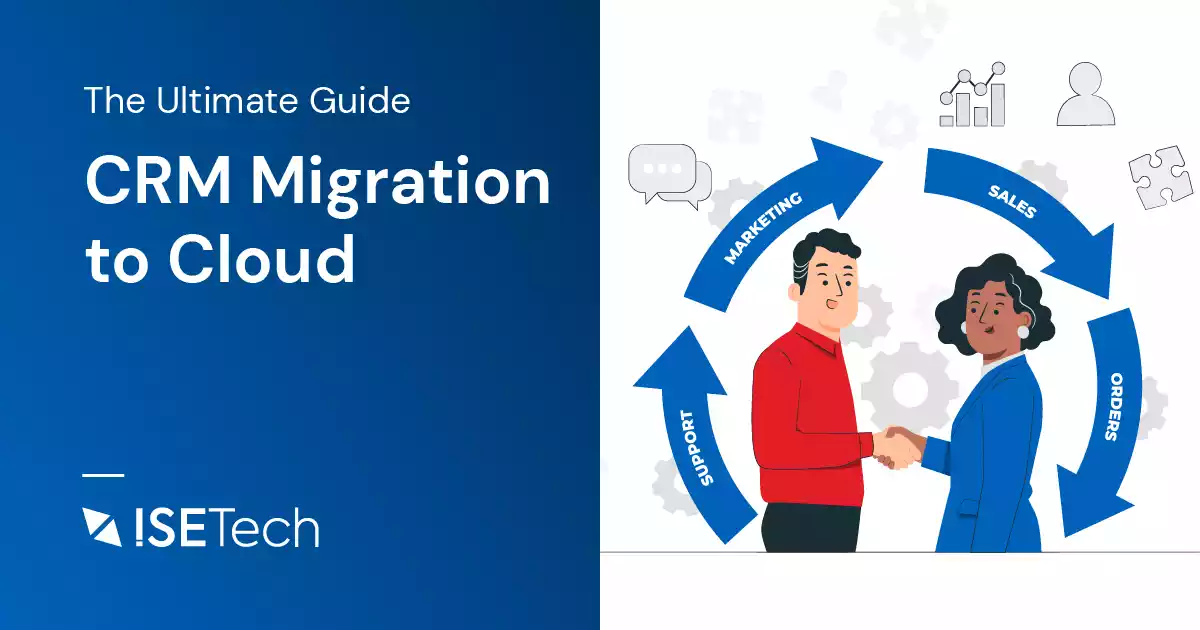

Remote work has led to an increase in demand for cloud-based tools. Their widespread use has increased mobility and accessibility for all users. However, businesses can take it one step further and invest in CRM migration to cloud. Apart from delivering the obvious benefits, it can also provide more reliable data security, eliminate infrastructure maintenance costs, and introduce more customization options. This is not even a fraction of the benefits that a cloud-based CRM such as Microsoft Dynamics 365 offers.
Companies can migrate their data to an existing cloud CRM or implement a brand new solution; the choice is theirs. In both situations, migration will provide them the opportunity to organize the database and redefine outdated processes. Listed below are a few things to consider when planning CRM migration to cloud.
What is Cloud-Based CRM?
The cloud-based CRM solution consolidates all the marketing, sales, and customer service data on one platform. It has multiple applications, but businesses can only choose the services they require and also enjoy the flexibility offered by the cloud. CRM migration to cloud is the best way to keep all systems up-to-date, which means they can take advantage of the latest technology.
They will no longer need to pay high upgrade costs and can continue to enhance their operations with new features. The customization increases business agility and provides users with the ability to scale up and roll out new products with ease.
Companies can migrate their data to an existing cloud CRM or implement a brand new solution; the choice is theirs. In both situations, migration will provide them the opportunity to organize the database and redefine outdated processes. Listed below are a few things to consider when planning CRM migration to cloud.
Tips for a Successful CRM Migration to Cloud
The migration process is simple as long as teams have evaluated their existing processes. This is the best chance for them to benefit from the latest technologies that they are not currently using. The process is critical to successful migration because developers can implement a completely customized legacy CRM system through native and managed technology.
They can also re-engineer the custom code to ensure it is compatible with the cloud. This process makes sure that the CRM migration to cloud is using the best-supported technologies and can reduce the ownership costs for businesses. Listed below are some steps to follow to get the most out of the situation.


